In autumn 2020, a journalist interviewed me about my work as an artist. She wanted to know how my art had responded to the realities of the pandemic. But as the interview progressed, I began to sense a disconnect between what I had to share and what she was seeking.
I described how much of my creative energy was being funneled into teaching art online. I had transitioned my classes almost overnight, creating new ways for students to engage with art from home. I explained that I was also holding down the proverbial fort at home, managing significant caregiving support.
"I see it as performance art," I told her. "I'm keeping daily records in my journal of all that's going on, and I've made a series of over 100 videos where I'm teaching my students and also talking to them as people, addressing their concerns and fears."
She didn't seem convinced.
As the conversation continued, I became increasingly aware of the disappointment in the journalist's voice. Perhaps she understood art-making along the same lines as journalism: that responding to a significant cultural or political moment meant addressing it directly, clearly, and quickly. Perhaps she was looking for an artist-activist who was diving headfirst into the surrounding community, creating public projects with immediate and visible impact.
At the time, I couldn't count myself among that fold.
I gently explained that there were many ways to respond to a difficult moment. Some artists feel called to enter the fray immediately, taking conscious action to illuminate issues and inspire change. Others require significant processing time. Their circuits may be overloaded by the mental and physical demands of everyday life, leaving little room for the kind of creative work they had once envisioned.
There are also people completing extraordinary feats simply by caring for loved ones, navigating illness, managing family responsibilities, or trying to maintain a sustainable livelihood. These experiences may not produce an immediately recognizable body of creative work, but they are no less significant.
As the silences between the interviewer and me began to lengthen, a memory from graduate school came to mind.
My classmates and I had been assigned to read The Expressiveness of the Body and the Divergence of Greek and Chinese Medicine by Shigehisa Kuriyama. The text was dense, and many students were concerned about understanding the material and translating its concepts into their artwork.
Our professor explained that some students would immediately latch onto an idea and create artwork that offered a direct response. One student, for example, made detailed pen-and-ink drawings of the organ systems of the human body, then covered them with semi-translucent layers of encaustic wax to simulate a protective layer of skin.
Other students, he explained, would absorb the material at a more subconscious level. They might enter the studio without a clear idea of what they wanted to make, create an entire piece of artwork from a more intuitive place, and let it rest for a day, a week, or even a month or two. Eventually, something would click. They would recognize the connection between the work they had made and the ideas they had been exploring.
I remember sitting in that classroom and feeling a flood of relief wash over me.
For me, art-making had always fallen into the latter category. It was a practice that happened through a subconscious process of excavation. It was indirect rather than direct, composed of stirrings deep below the iceberg that cannot immediately be seen on the surface.

With her encouragement, our professor gave us permission to discover what was happening through the process of making art, rather than setting a direct course from the beginning.
My mind snapped from that memory back to the interview. As our conversation drew to a close, the journalist asked one final question: "Is there anything else you'd like to add, keeping in mind that this article is about how artists are responding to the pandemic?"
With those words, my stomach bottomed out to my feet.
I felt chastened. Chastised. These feelings were entirely due to my interpretation of the situation, as well as that nagging voice at the back of my mind hollering, "What's wrong with you? You should be doing more!"
I explained that I had no further comment, thanked the journalist for her time, and we simultaneously hung up.
Letting Go of Creative Guilt
If you've experienced stirrings of creative guilt, you may recognize something familiar in this story.
Perhaps you've found yourself comparing your productivity to that of other artists or writers. Maybe you've watched someone else complete a major project, publish a book, launch an exhibition, or make a significant career move while your own work seems to be moving at a considerably slower pace.
Or perhaps you've been working steadily, but you worry that your efforts aren't substantial enough, aren't timely enough, or aren't leading to the results you originally imagined.
It's easy to become caught up in expectations about what a creative practice should look like. We may feel that we ought to be producing more, working faster, or responding to the world in ways that are more visible and immediately recognizable.
But creative work doesn't always happen on a predictable schedule. Some ideas arrive fully formed, while others require considerable time to take shape. Some projects emerge from deliberate investigation; others develop through experimentation, observation, and the gradual accumulation of experiences.
If you find yourself struggling with creative guilt, here are three things to consider.
1. Acknowledge where you are in this moment.
Are you juggling family responsibilities, caring for someone who needs additional support, or trying to maintain a stable income? Are you managing physical or emotional health challenges? Have circumstances changed in ways that have affected your available time, energy, or ability to concentrate?
Or perhaps your circumstances are relatively stable, but you're still finding it difficult to make progress on the work you had hoped to accomplish.
Take a moment to recognize what you're navigating and how you've responded to it.
We don't always give ourselves credit for the work that happens outside our creative practices. Managing a household, supporting a family member, maintaining relationships, navigating professional uncertainty, and tending to our own well-being all require time and energy.
Be as compassionate and gentle with yourself as possible. In most cases, we're doing our best to do our best.
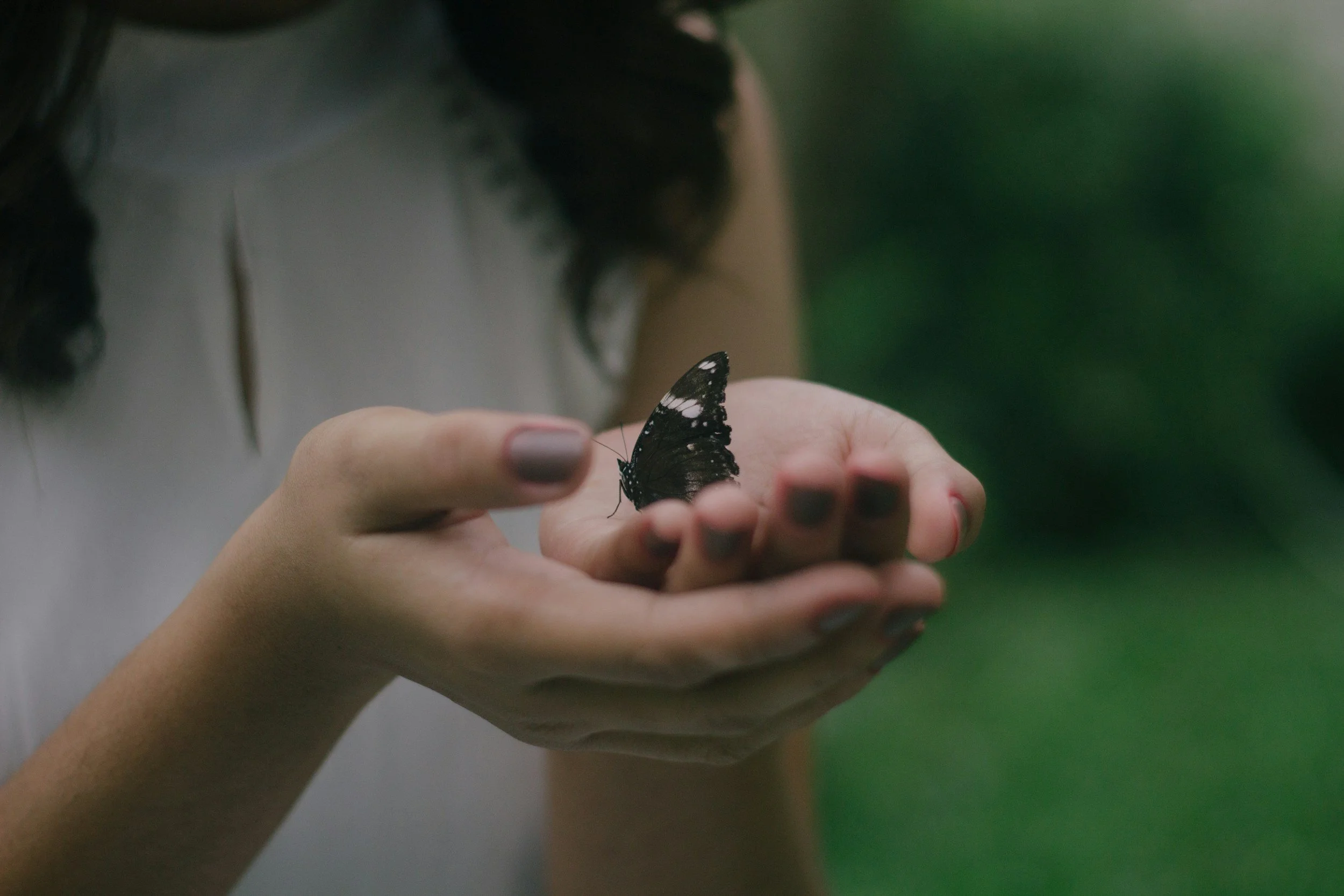
2. Allow yourself the freedom to accept that things will take the time they need to take.
Perhaps you planned to finish a novel manuscript, develop a new series of paintings, submit your work to literary journals, or pursue an opportunity that seemed particularly promising. Yet your projects have stalled, your priorities have shifted, or the time and energy you expected to have simply haven't materialized.
It's human nature to become discouraged when our plans don't unfold as anticipated. We may begin questioning whether we're capable of completing the work at all.
If your physical and mental health allow you the energy, consider becoming content with baby-step progress when necessary.
Perhaps you won't meet the deadlines or reach the audience you originally envisioned. But fifteen minutes a day spent on a chosen project can lead to substantial progress over time. A few paragraphs, a small study, a page of notes, or a series of exploratory sketches may be enough to keep you connected to the work.
And sometimes, you may need to set a project aside altogether.
Trust that unexpected changes in direction can provide valuable material for your current pursuits, as well as projects you may wish to explore in the future.
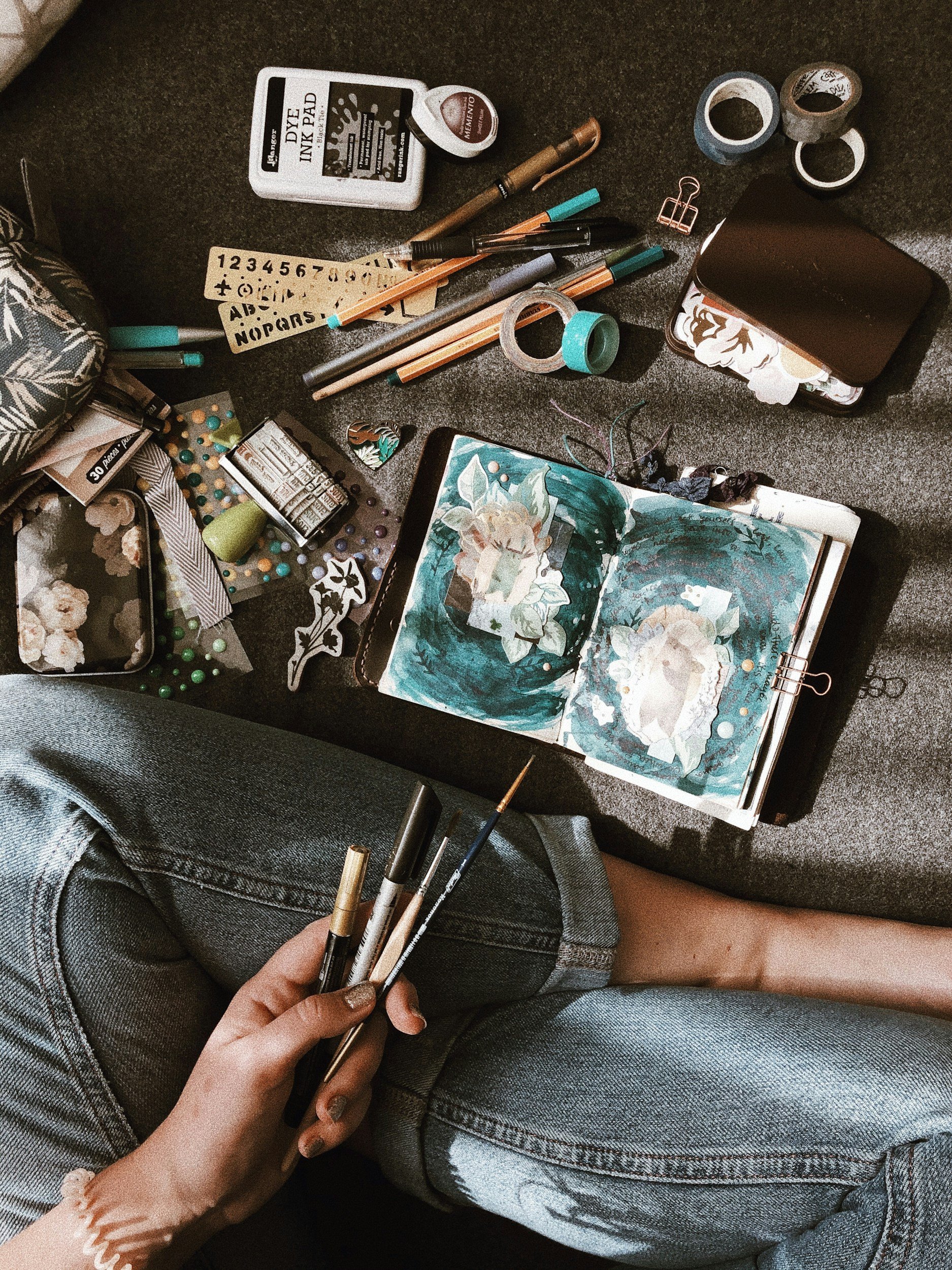
3. Assess how you best respond to situations, both creatively and in the nuts and bolts moments of everyday life.
Are you someone who needs to dive in immediately and create positive change? Are you someone who needs to stand a few paces back, processing the situation while collecting breadcrumbs along the way? Do you fall somewhere in between?
Think back to the story my professor shared about the different ways students approached their artwork. Some people respond to an idea directly and immediately. Others absorb information, experiment, and allow connections to emerge over time.
Neither approach is inherently better than the other.
Acknowledge your standard operating system and allow yourself to work with it rather than against it.
You may find yourself in the middle of the fray, using every tool in your creative arsenal to spark positive change. This is wonderful. We need people who are willing to create hope and illuminate possibilities during difficult moments. Just remember to allow yourself sufficient time for rest and reflection so that you can continue doing the work.
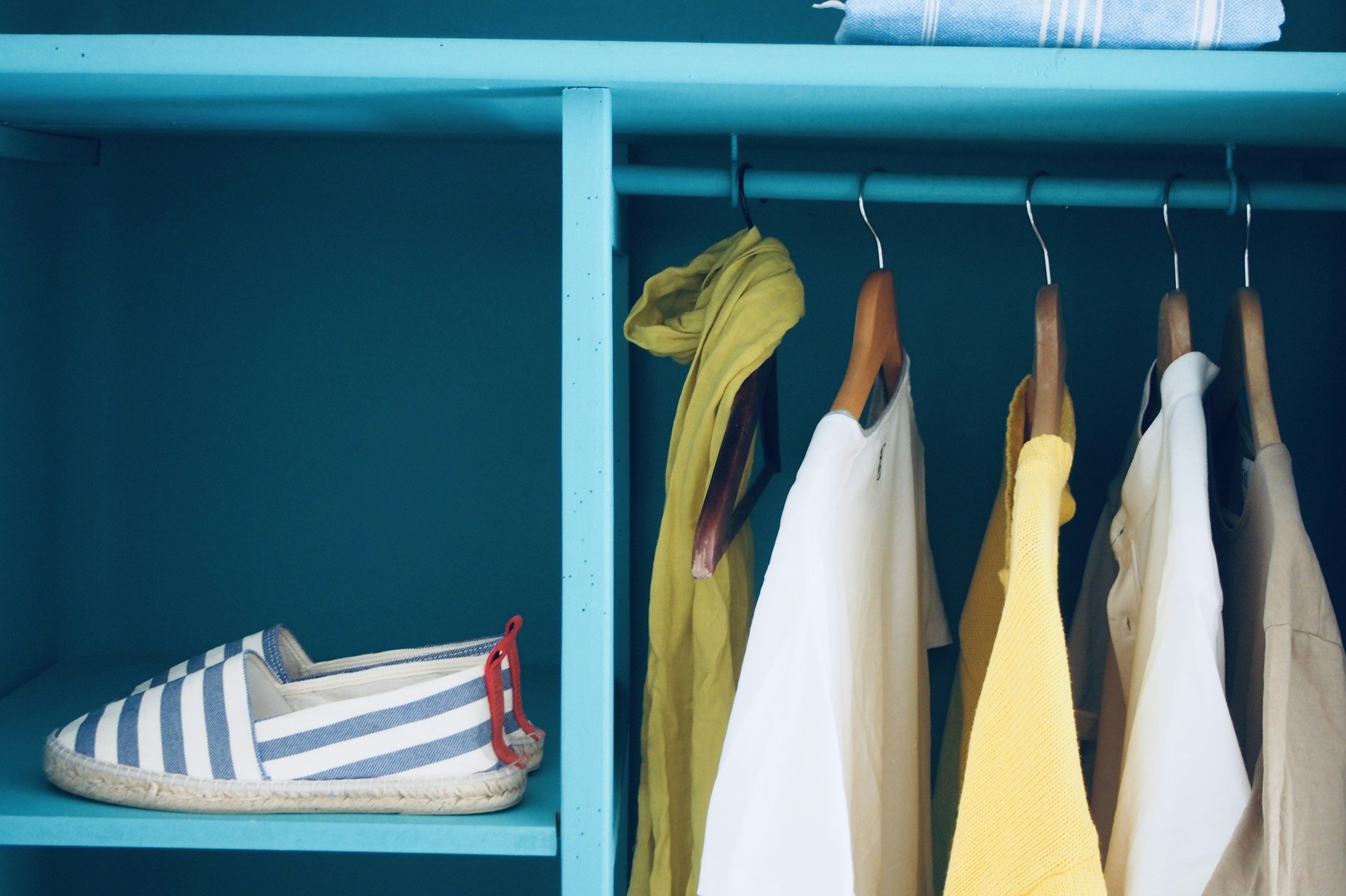
In contrast, you may find that you need to clean out every closet in the house before you can commit to the easel or the page. (I once attended a craft talk where an acclaimed poet confessed that she got some of her best ideas for poems by scavenging through clothes in her closet)!
You may also discover that you're making powerful work about an experience months or even years after it has occurred, once you've had enough time to process its history, weight, and impact on your life.
That's okay, too.
You're Also Right on Time
One of the things I've come to appreciate about creative work is that it doesn't always reveal its purpose or direction while we're in the middle of making it.
Sometimes, we know exactly what we're trying to accomplish. Other times, we need to follow a series of ideas, images, questions, and experiments without knowing precisely where they'll lead.
We may not recognize the significance of a particular experience until much later. We may revisit an abandoned project and discover that we're finally ready to do something with it. Or we may find that the work we've been doing all along has been preparing us for something we couldn't have anticipated.
There's value in allowing ourselves that room.
You don't have to respond immediately to every experience, produce something meaningful from every difficult circumstance, or measure your creative life against someone else's timeline.
Give yourself permission to process, experiment, pause, and begin again.
Relax as best as possible. You're also right on time.