Books for Artists and Creative People: Reading for Inspiration and Growth
Growing up in the United States, my childhood summers frequently meant a break from school. To keep kids learning, libraries opened their doors to offer summer reading programs. I was one of the first youngsters in line, hell-bent on reading as many new and classic titles as I could muster.
Adulthood packs a wallop. For many of us, reading for pleasure gradually gets pushed aside by work, family responsibilities, and the seemingly endless list of things that need to get done. We become trained to be hard-working, high-achievers with a laser-like focus on practicality and production. Even our leisure time can begin to feel like something that needs to be optimized.
In fact, when I mentor adult artists and other creatives and suggest book titles, many immediately approach this as homework.
How many pages should I read?
When should I finish this one?
Should I read everything ever written by this author?
My question for you is this: When did you last pick up a book that you found interesting and inspiring? A book that would help fuel your creative work? And when was the last time this reading felt enjoyable, rather than like homework?
Reading can certainly help us develop our skills, deepen our knowledge, and understand the work of other artists. But it can also open up new ways of thinking, introduce us to unfamiliar materials and methods, and remind us why we wanted to create in the first place.
In the spirit of those childhood library reading programs, I've put together a list of art and creativity books from my own bookshelf. These are books I've returned to, learned from, and enjoyed—not simply titles I've been told I ought to read. Some offer practical guidance, others invite deeper reflection, and a few have fundamentally changed how I approach my work.
Whether you're an established artist, a writer, or someone who's just beginning to explore a creative practice, I hope you'll find something here that sparks your curiosity.
Books About Creativity for Artists of All Stripes
The Vein of Gold by Julia Cameron
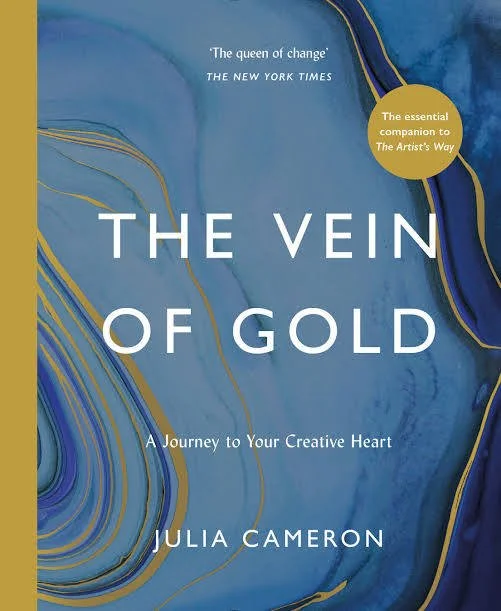
Most of us are well aware of Julia Cameron's enormously successful The Artist’s Way, which helps readers of all backgrounds and interests reclaim their creative work.
The Vein of Gold follows a similar format and employs many of the same tools, including Morning Pages and Artist Dates. It also enables you to do deeper creative recovery work.
I'm especially fond of the first section, which invites you to tap into and write out your autobiography. Exploring our personal histories can reveal experiences, memories, and interests that continue to shape the work we make today. Sometimes, the material we're looking for is already there, waiting for us to recognize it.
Big Magic by Elizabeth Gilbert
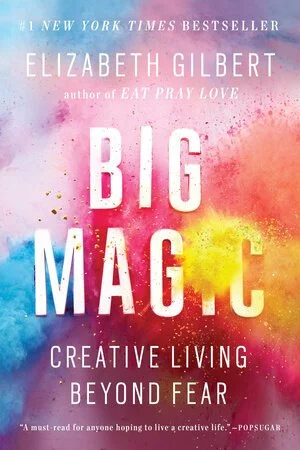
What I enjoy most about Big Magic is that it doesn't sugarcoat a creative life, nor does it imply that a creative life is hopeless and should be abandoned for a more practical, mainstream career path.
Instead, Gilbert describes the importance of letting go of our attachment to particular outcomes when we embark on creative work. She challenges us to reconsider success, especially in artistic realms, as something measured by more than outward accolades.
Big Magic guides readers toward lives propelled less by fears and doubts and more by curiosity and the stories we yearn to tell. I appreciate that distinction. Creative work can be difficult, uncertain, and impractical by conventional measures without being any less meaningful.
Other Favorite Books on Creativity and Creative Practice
These additional titles explore the psychology of creativity, the challenges of sustaining an artistic life, and the realities of continuing to make work over time.
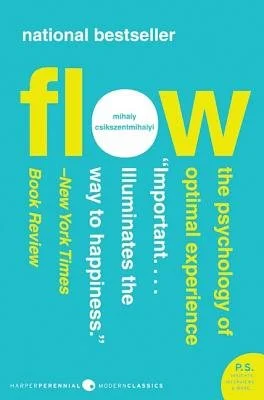
Flow: The Psychology of Optimal Experience by Mihaly Csikszentmihalyi — An exploration of the state of deep engagement in which we become absorbed in an activity for its own sake. Particularly interesting for anyone curious about the relationship between attention, challenge, and creative fulfillment.
The War of Art: Break Through Blocks and Win Your Inner Creative Battles by Steven Pressfield — A book about resistance, procrastination, and the internal obstacles that can keep us from doing the work we want to do.
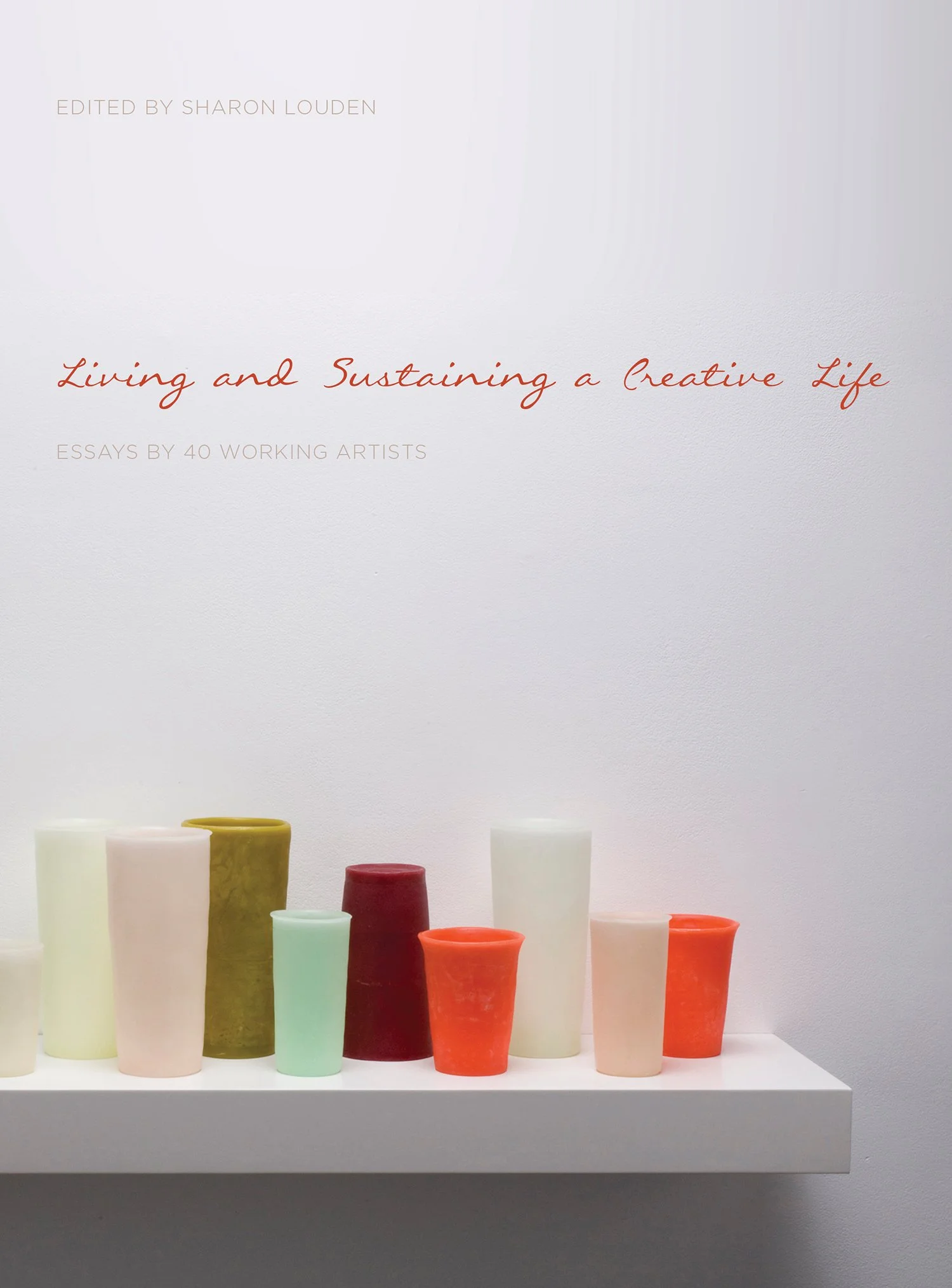
Living and Sustaining a Creative Life by Sharon Louden — A collection that offers perspectives on the practical realities of maintaining a life in the arts. It's a useful reminder that creative careers take many forms and that there isn't one prescribed way to sustain an artistic practice.
Books for Visual Artists
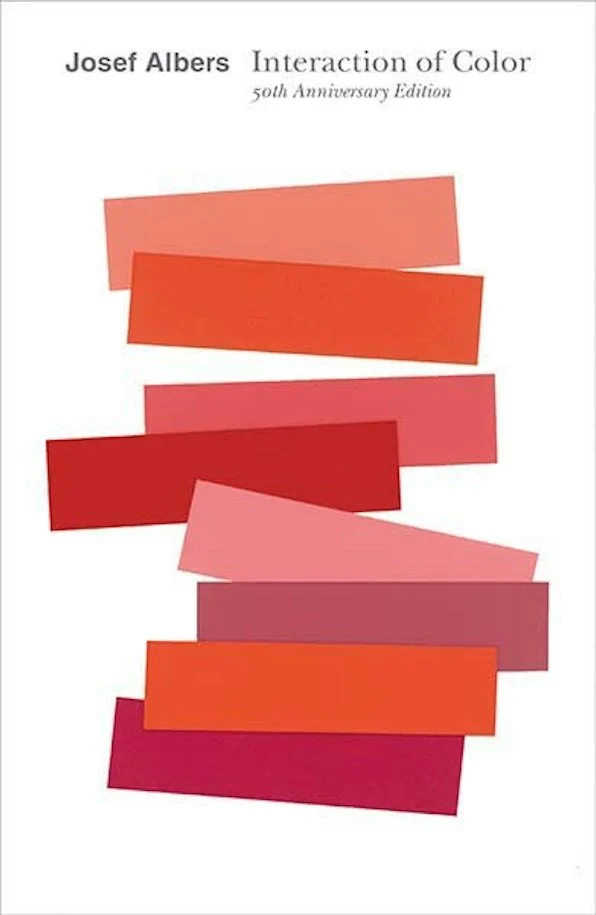
Interaction of Color by Josef Albers
I'll never forget that day in undergraduate printmaking class. The spring semester was winding down, and the almost-summer heat radiated through the studio's open windows. Our class sat in clusters of chairs, fanning ourselves with scraps of used newsprint, trying our best to critique each other's work.
My turn came, and I don't remember what was said about my prints (never my preferred discipline), but I do remember how the professor wrapped up the discussion of my work: "And of course, Erin uses an intuitive sense of color."
I sat utterly silent. Stunned. I do?
I had tried to purchase every color theory book I could find, but they all seemed so formulaic (and made my head hurt!)—chart after chart, swatch after swatch.
Enter Interaction of Color by Josef Albers.
Albers explores how colors interact with one another, changing our perceptions depending on their relationships and surroundings. His approach invites us to observe, experiment, and pay attention to what actually happens when colors meet.
You'll never look at color the same way again.
Rethinking Acrylic: Radical Solutions for Exploiting the World's Most Versatile Medium by Patti Brady
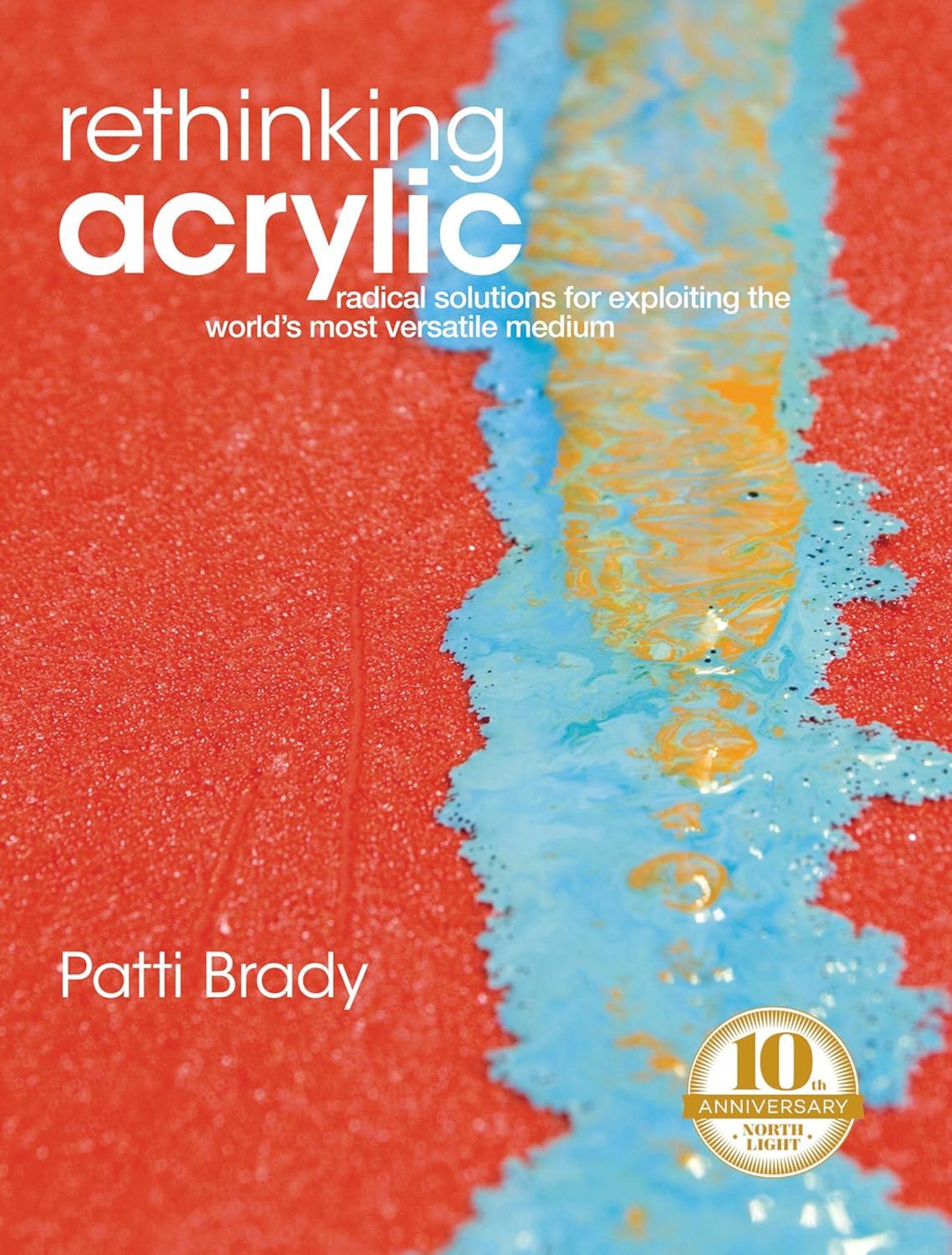
I first encountered Rethinking Acrylic years ago, and I return to it again and again to sharpen my skills with acrylic painting.
What sets this book apart from other books on painting I've read is its emphasis on experimentation and abstraction, all while pushing acrylic painting techniques and materials to their limits.
If you use your acrylic paints primarily like oils, or if you've never tried working with gel mediums, acrylic photo transfers, and mixed media, this book will expand your artwork into new, fresh vistas.
I appreciate books that don't simply offer a set of instructions to follow, but instead encourage us to experiment with materials and discover what they can do. Sometimes, a new technique becomes much more than a technique; it changes the direction of the work itself.
Other Favorite Books for Visual Artists
If you're looking to explore art beyond a particular medium or develop a better understanding of the practical side of an artistic career, these are also worth adding to your reading list.
Art as Experience by John Dewey — A philosophical exploration of art as an experience shaped by our interactions with the world, rather than simply an object to be viewed.
Art/Work: Everything You Need to Know (and Do) as You Pursue Your Art Career by Heather Bhandari and Jonathan Melber — Practical guidance for artists navigating the professional art world, from presenting work to building a sustainable career.
Make Reading Part of Your Creative Practice
One of the things I value about these books is that they offer different ways into creative work. Some help us understand ourselves and our motivations. Others invite us to experiment with color, materials, and form. Still others address the practical realities of making art and sustaining a creative life.
You don't need to read every book on this list, finish one by a particular deadline, or turn your reading into a new set of assignments. Choose a title that speaks to your interests right now. Read a chapter, try an exercise, or simply let an idea percolate for a while.
And remember that reading for pleasure is a worthwhile activity in its own right. You don't have to extract a lesson or produce a finished piece of work from every book you read. Sometimes, it's enough to encounter an idea that stays with you, changes how you see something, or reminds you of a question you want to pursue.
Do you have a favorite art or creativity book that isn't mentioned here? Have you read one of these recommendations? I'd love to hear what you thought.
Happy reading!